Sustainable Pet Grooming: How to Care for Long-Haired Pets Naturally
Long-haired pets are beautiful, but their grooming needs are no small task. Brushing, washing, drying—it all adds up. But what if you could care for your pet while also caring for the planet? The good news? You can. With a few small changes, grooming your fluffy companion can be kinder to the environment. We’ve put together the information you need for detangling your dog and a separate article for detangling your cat. They have quite different needs.
Let’s explore how eco-friendly pet grooming is not only doable—but easy, affordable, and better for everyone.
Why Go Green when Grooming?
Traditional grooming routines often rely on plastic tools, chemical-filled shampoos, and energy-heavy appliances. Over time, this creates a lot of waste. According to the EPA, personal care products (including pet shampoos) contribute significantly to water pollution and plastic waste. Fortunately, pet parents have more sustainable options today.
Bychoosing eco-conscious grooming productsand habits, you reduce waste and help keep harmful substances out of waterways. Plus, many of these natural alternatives are gentler on your pet’s skin and coat—especially for long-haired breeds.
Choosing the Right Tools for Pet Grooming
Start with your grooming kit. Think brushes, combs, nail clippers, and towels. Many of these are made from plastic. But now, there are plenty of eco-friendly versions available.
Look for tools made from:
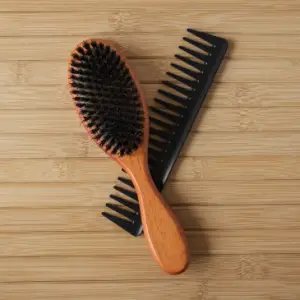
Bamboo – It’s fast-growing and biodegradable. Bamboo brushes with natural bristles are gentle and durable.
Stainless steel – Recyclable and long-lasting, great for combs and clippers.
Organic cotton towels – Softer for your pet and better for the planet.
Don’t forget about gloves and wipes. Try compostable grooming wipes made from plant-based materials. They work well for quick clean-ups between baths.
Eco-Friendly Pet Grooming: Save Water, Save Energy
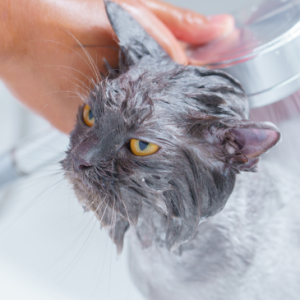
Bath time can waste a lot of water and energy. But there are easy ways to cut back.
Use a low-flow showerhead or pet sprayer attachment
Bathe pets only when needed (usually every 4–8 weeks for long-haired dogs)
Dry using a microfiber towel before using a blow dryer
Air-dry in warm weather when possible
You can also try waterless shampoos or dry grooming sprays between full washes. They’re fast, effective, and ideal for winter or travel.
Gentle, Natural Grooming Products
Shampoos and conditioners matter too. Long-haired pets often need special products to prevent tangles and mats. The good news? Many natural and sustainable pet grooming brands are up to the job.
Look for:
Sulfate-free and paraben-free shampoos
Organic ingredients like aloe, oatmeal, or coconut oil
Concentrated formulas – You use less, and it lasts longer
Refillable or recyclable packaging
And always check that the product is cruelty-free and not tested on animals.
Bonus Tip: Apple Cider Vinegar Rinse (Use with Care)
You may have heard that an apple cider vinegar (ACV) rinse can boost your pet’s coat—and it can help in some cases. When diluted, ACV may remove leftover shampoo residue and leave the coat feeling soft and fresh.
However, there’s growing debate around its use. Many vets caution that ACV is not a cure-all. It doesn’t reliably treat skin conditions, won’t effectively repel fleas or ticks, and may irritate sensitive skin if used too often or too strong.
If you’d like to try it, keep it gentle:
Mix 1 part ACV to 2–3 parts water (more diluted than older recommendations)
Use occasionally, not as a regular routine
Avoid eyes, ears, and any broken or irritated skin
Always patch test first
If your pet has ongoing itching, dandruff, or skin issues, it’s best to check with a vet rather than relying on DIY rinses.
Bottom line: ACV can be a light, occasional rinse for healthy pets—but it’s not essential, and for many pets, a high-quality, gentle shampoo will do the job just as well (or better).
Managing All That Fur – The Sustainable Way
If you share your life with a long-haired dog—like a Shih Tzu, Golden Retriever, or Afghan Hound—you know the fluff is real! While that glorious coat is beautiful, it also needs regular care to keep your pet comfy and your home (somewhat) fur-free.
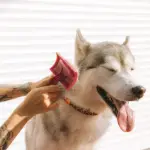
Start with Brushing: The best way to start is with frequent brushing. Brushing removes loose fur, prevents painful mats, and helps spread natural oils. For eco-friendly grooming, choose brushes made with sustainable materials, like bamboo handles and cruelty-free bristles.
Detangling: For tough tangles, avoid harsh detangling sprays filled with synthetic chemicals. Instead, make your own! A simple mix of water, a drop of coconut oil, and a splash of aloe vera juice can gently ease knots and leave your dog’s coat shiny.
Bathing your Pet: Bathing is another must—but not too often. Overbathing strips natural oils. Use natural, biodegradable shampoos that are gentle on your pet and safe for waterways. Look for ingredients like oatmeal, lavender, or neem. These cleanse without irritating sensitive skin or the environment.
Drying: After brushing or bathing, be sure to dry your dog thoroughly, especially in cooler weather. If you use a hairdryer, choose one with energy-efficient settings, or towel dry with reusable microfiber towels instead of disposable ones.
Cleaning up that hair
Finally, don’t forget your vacuum cleaner! Pet hair builds up fast. Opt for a model with HEPA filters, and vacuum using electricity from renewable sources if available. Or go low-tech: a good old rubber broom can work wonders on carpet. Check out our best pet-friendly vacuum cleaners here.
Managing all that fur doesn’t have to be a hassle—or harmful to the planet. With a few smart swaps and mindful grooming habits, you’ll have a healthy, happy pup and a cleaner, greener home.
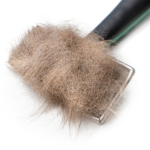
Long-haired pets shed—a lot! Instead of tossing all that fur in the bin, there are a few eco-friendly ways to reuse it.
You can add small amounts to your compost, as pet fur is natural and nitrogen-rich. Just be sure it’s free from flea, tick, or heavy grooming treatments, as chemical residues can affect your compost.
You might have heard that birds can use pet fur for nesting, but this is now debated. Wildlife experts warn that treated fur may contain harmful chemicals, and long strands can pose a tangling risk for chicks.
If you’re feeling creative, clean pet fur can also be used for crafting, like spinning or felting (sometimes called “chiengora”).
In general, composting untreated fur or using it for crafts is considered safer and more environmentally friendly than leaving it out for wildlife.
Another tip: Groom your pet outdoors to reduce indoor mess and allow fur to break down naturally on the ground.
Groom & Vacuum: The Smart Way to Tackle Fur
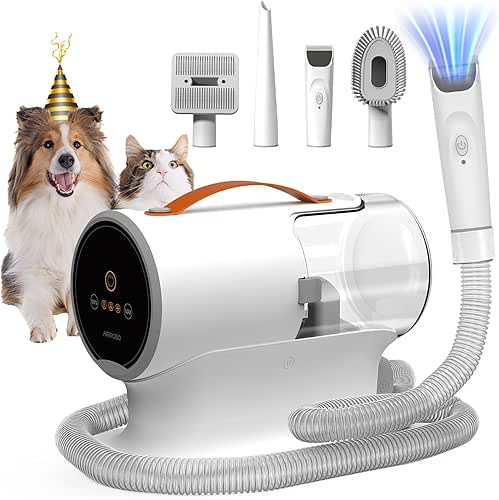
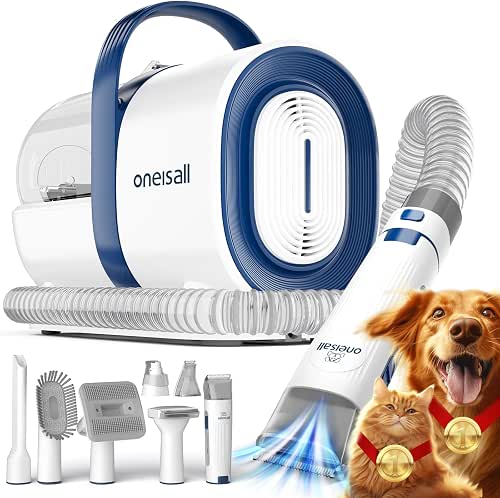
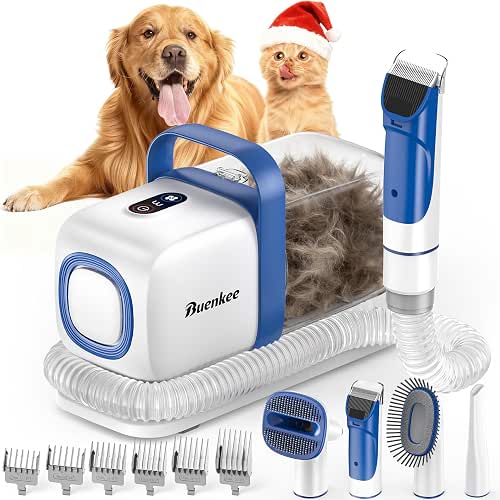
Grooming vacuums are a game-changer for pet owners dealing with endless shedding. These clever tools combine brushing and suction to remove loose hair efficiently and with minimal mess. They help keep your home cleaner while making grooming quicker and less messy. This cuts down on waste, cleanup time, and the need for extra lint rollers or disposable products. Win – Win – Win!
AIRROBO Dog Grooming Vacuum Kit
✖
✅ 12,000Pa suction captures up to 99% of loose fur during grooming
✅ Quiet motor (under 50dB) so it won’t startle nervous pets
✅ 3 adjustable suction levels plus 6 guide combs for different coat lengths
✅ Large capacity dust box means fewer stops to empty
✅ 5-in-1 kit: brushing, deshedding, trimming, nail grinding, and vacuuming
✅ Captures up to 99% of loose hair straight into the 1.2L dust cup
✅ Quiet 59dB motor with 3 suction levels for nervous pets
✅ Comes with a storage bag to keep all the attachments organized
Small Choices, Big Impact
Sustainable pet care doesn’t have to be complicated. In fact, eco-friendly pet grooming can become part of your regular routine without much extra effort. It’s all about making simple swaps—one brush, one bottle, one habit at a time.
Your pet stays clean, healthy, and happy. The planet thanks you. And you get to enjoy more cuddle time with your long-haired best friend—guilt-free.
Discover gentle, eco-friendly dog detangler tips. Keep your dog’s coat healthy and matt-free while caring for the planet—easy, natural solutions inside!
To provide the best experiences, we use technologies like cookies to store and/or access device information. Consenting to these technologies will allow us to process data such as browsing behavior or unique IDs on this site. Not consenting or withdrawing consent, may adversely affect certain features and functions.
Functional
Always active
The technical storage or access is strictly necessary for the legitimate purpose of enabling the use of a specific service explicitly requested by the subscriber or user, or for the sole purpose of carrying out the transmission of a communication over an electronic communications network.
Preferences
The technical storage or access is necessary for the legitimate purpose of storing preferences that are not requested by the subscriber or user.
Statistics
The technical storage or access that is used exclusively for statistical purposes.The technical storage or access that is used exclusively for anonymous statistical purposes. Without a subpoena, voluntary compliance on the part of your Internet Service Provider, or additional records from a third party, information stored or retrieved for this purpose alone cannot usually be used to identify you.
Marketing
The technical storage or access is required to create user profiles to send advertising, or to track the user on a website or across several websites for similar marketing purposes.